November 10, 2026
What Shapes the Cost of Diamond Earrings
By @diamondearringpricessite
Diamond earrings are a classic choice, but their prices can vary widely. Understanding what influences the cost helps you make a confident decision. This guide walks through the main factors that determine diamond earring prices, from the quality of the stones to the materials and design details.
Diamond Quality and the Four Cs
The single biggest factor in any diamond purchase is the quality of the stones. For earrings, the four Cs - carat weight, cut, color, and clarity - each play a role. Carat weight is straightforward: larger diamonds cost more per carat than smaller ones, partly because large rough stones are rarer. Keep in mind that earrings often come as a pair, so the total carat weight is typically doubled. A pair of half-carat earrings adds up to one carat total, and the price reflects both stones together.
Cut is about how well the diamond has been shaped and faceted. A well-cut diamond reflects light beautifully, giving it sparkle. Even if a stone has good color and clarity, a poor cut will make it look dull. For earrings, cut matters because the diamonds are often the focal point. Round brilliant cuts are popular for earrings, but other cuts like princess or oval can offer a different look. Color grade refers to how colorless a diamond is. For earrings, many people choose stones in the near-colorless range (G to J) because the difference is hard to see once set, and it can keep costs more manageable. Clarity grade measures internal flaws. Earrings are usually viewed from a distance, so small inclusions that are invisible to the naked eye do not affect the appearance. Choosing a clarity grade like VS2 or SI1 can give you a clean-looking stone without paying for a flawless grade.
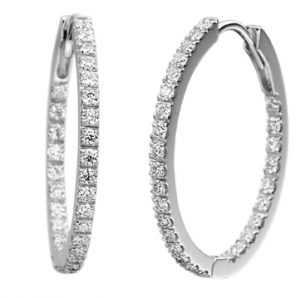
Balancing these four factors is where you have room to adjust diamond earring prices to your preference. A smaller diamond with excellent cut and color might cost the same as a larger one with lower grades. It comes down to what matters most to you.
Metal Material and Finishing
The metal that holds the diamonds also affects the total cost. Common choices are platinum, white gold, yellow gold, and rose gold. Platinum is dense and durable, so it is often more expensive than gold alloys. It also has a natural white sheen that does not require plating. White gold is a popular alternative that looks similar but costs less, though it may need replating over time. Yellow and rose gold are classic and can add warmth. The karat of the gold matters too: 18k gold has a higher gold content and a richer color than 14k, but it is softer. For earrings, 14k or 10k gold is often durable enough for everyday wear and keeps the price lower.
The finish of the metal also plays a role. High-polish earrings are the most common, but matte or brushed finishes can be an option. The setting style - prong, bezel, or channel - affects how much metal is used and how secure the stones feel. A bezel setting uses more metal and can raise the price slightly, but it offers extra protection for the diamonds. These choices are worth knowing because they let you control the look and the cost.
Earring Backs and Comfort
Earring backs might seem like a small detail, but they matter for security and comfort. The most common type is the friction back, also called a push back. It is simple and works well for most earrings. Screw backs add an extra layer of security by threading onto the post, which is helpful for valuable earrings or for people who are active. For larger or heavier earrings, lever backs or latch backs distribute the weight better. The type of back you choose can affect the price slightly, especially if it is a more complex design. Comfort is also tied to the length of the post and the shape of the back. A post that sits too long can poke the neck, while one that is too short may not secure the earring well. Trying on earrings or checking the post length before buying is a good habit.

Styles and Settings
Diamond earrings come in many styles, each with a different look and price range. Studs are the most classic and often the most affordable because they use smaller diamonds. Hoops and drop earrings can incorporate larger or multiple diamonds, which raises the total cost. Halo settings have a center diamond surrounded by smaller stones, adding sparkle without a huge center stone. Three-stone earrings offer a vintage feel. The setting itself - whether prong, bezel, or channel - influences both the appearance and the price. Prong settings let more light reach the diamond, enhancing its brilliance, while bezel settings offer more protection and a modern look.
Piercing and Wear
If you are buying earrings for someone with newly pierced ears, or for ears that are sensitive, the material of the post matters. Hypoallergenic metals like titanium or surgical steel are good options for sensitive skin. For diamond earrings, the post is often made of the same metal as the setting, but some brands use a different metal for the post to reduce irritation. The gauge of the post also matters: standard earrings use a thin gauge, but some styles may be thicker. Checking the post material and thickness is a practical step before purchasing.
For those with multiple piercings, earrings can be mixed and matched. A small diamond stud in a second hole can complement a larger pair in the first holes. The style and size of the earrings should work with the piercing location and the wearer's comfort.
Care and Longevity
Diamond earrings are durable, but they still need care. Diamonds can chip if hit hard, and the metal can scratch or bend. Regular cleaning keeps them bright: a gentle brush with mild soap and warm water works well. Avoid harsh chemicals or ultrasonic cleaners if the earrings have delicate settings. Store them separately to prevent scratching. With proper care, diamond earrings can last a lifetime.
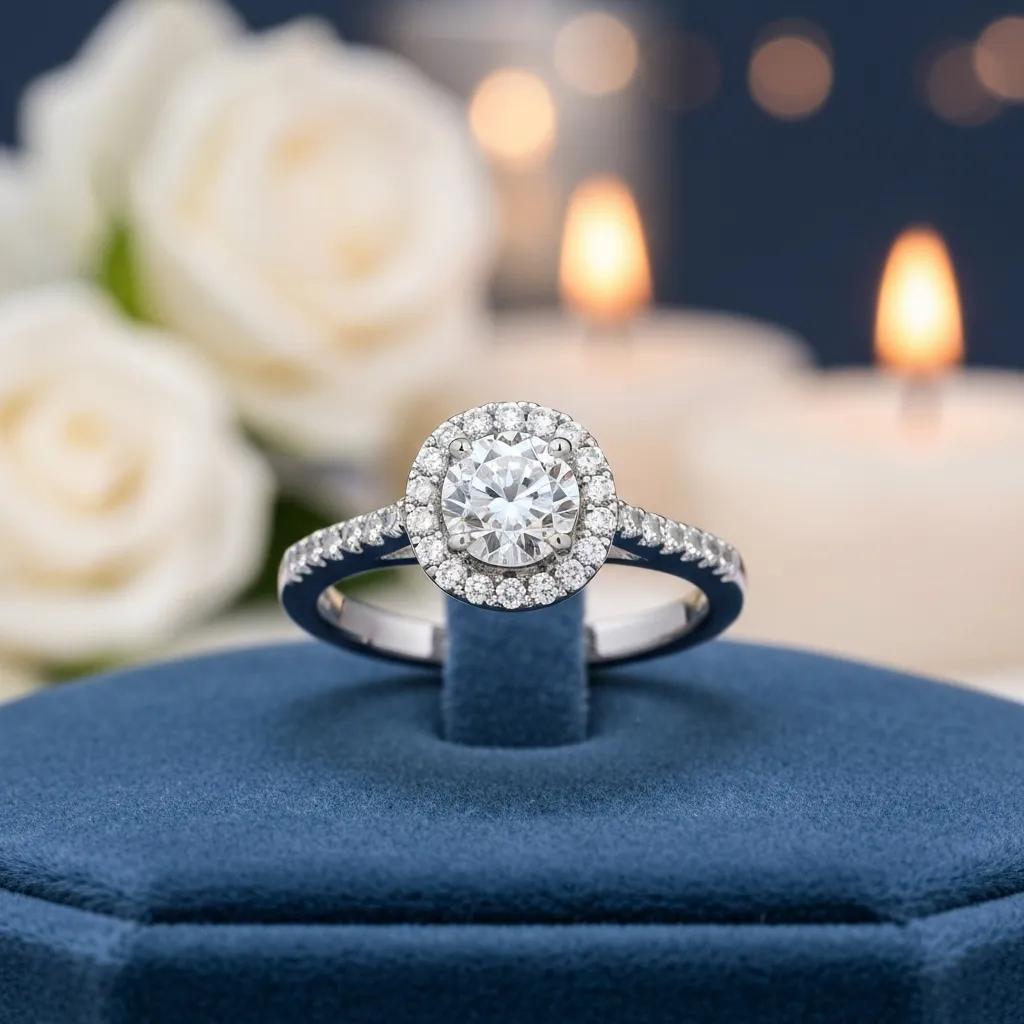
When you understand the factors that shape diamond earring prices, you can choose earrings that fit your style and your budget. The key is knowing what trade-offs you are comfortable with. A slightly lower clarity grade might let you get a larger carat weight, or a different metal might free up room in your budget for better cut. Every choice has an effect, and that is where the real value lies.
❧